Dr. Pratibha Gupta
Eye ClinicEmail Us
drpratibhagupta01@gmail.com
Call Now
+91 9354614950
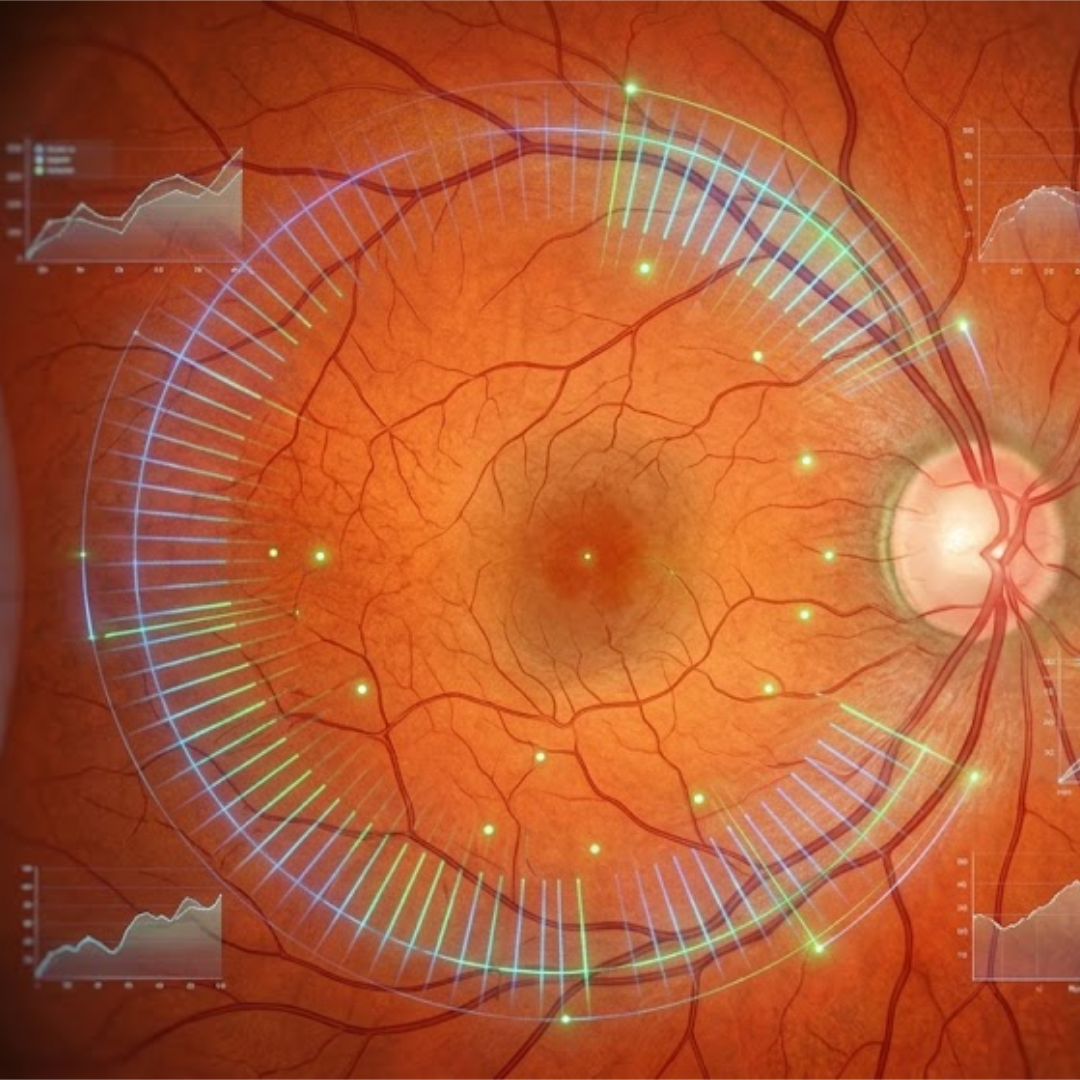
Retina Treatment focuses on diagnosing and managing diseases affecting the retina, the light-sensitive layer at the back of the eye that is essential for clear vision. Retinal disorders can impact central and peripheral vision and may lead to vision loss if not treated on time. Common retinal conditions include diabetic retinopathy, retinal detachment, macular degeneration, and retinal vein occlusion.
Modern Retina Treatment uses advanced diagnostic tools such as retinal imaging, OCT scans, and specialized eye examinations to accurately detect retinal problems. Depending on the condition, treatment may involve laser therapy, intravitreal injections, or surgical procedures. These treatments are designed to stabilize vision, prevent further damage, and preserve eyesight.
Early detection and timely treatment of retinal diseases play a crucial role in maintaining long-term visual health. With advancements in medical technology, most retinal conditions can be effectively managed. Retina Treatment is safe, precise, and tailored to each patient’s eye condition and visual needs.
The retina is a thin, light-sensitive layer at the back of the eye that converts light into signals sent to the brain for vision.
Retinal problems may develop due to diabetes, aging, or eye injuries.
Retina treatment is required when retinal damage starts affecting vision or shows risk of progression.
Retina treatment is performed using specialized techniques such as laser therapy, injections, or surgery depending on the condition.
The goal is to prevent further damage and preserve existing vision.
Yes, retina treatment is safe when performed by trained specialists using modern technology.
Various treatment options are available based on the type and severity of retinal disease.
Retina treatment mainly helps in stabilizing vision and preventing further vision loss.
Recovery depends on the type of retinal treatment and individual eye condition.